Ceramic Fiber Blanket
That Cuts Weight, Not Performance
Alumina-silicate ceramic fiber blanket for industrial furnace lining, backup insulation, and expansion joints. 92% lighter than IFB with equivalent thermal performance. 1260°C to 1430°C service ratings. From China's largest ceramic fiber production cluster in Zibo.
Why Are You Still Lining With 300 kg/m³ When 96 kg/m³ Works?
300 kg/m³ vs 96 kg/m³
Traditional IFB lining weighs 300 kg/m³. Ceramic fiber blanket: 96 kg/m³. That's 70% weight reduction — smaller steel structure, lower foundation cost, easier installation. (Density comparison)
6–8 Hours Heat-Up
Dense brick + IFB lining takes 6–8 hours to reach operating temperature from cold. Fiber lining: 2–3 hours. 50% faster startup after every maintenance shutdown. (Thermal mass comparison)
Thermal Bridging
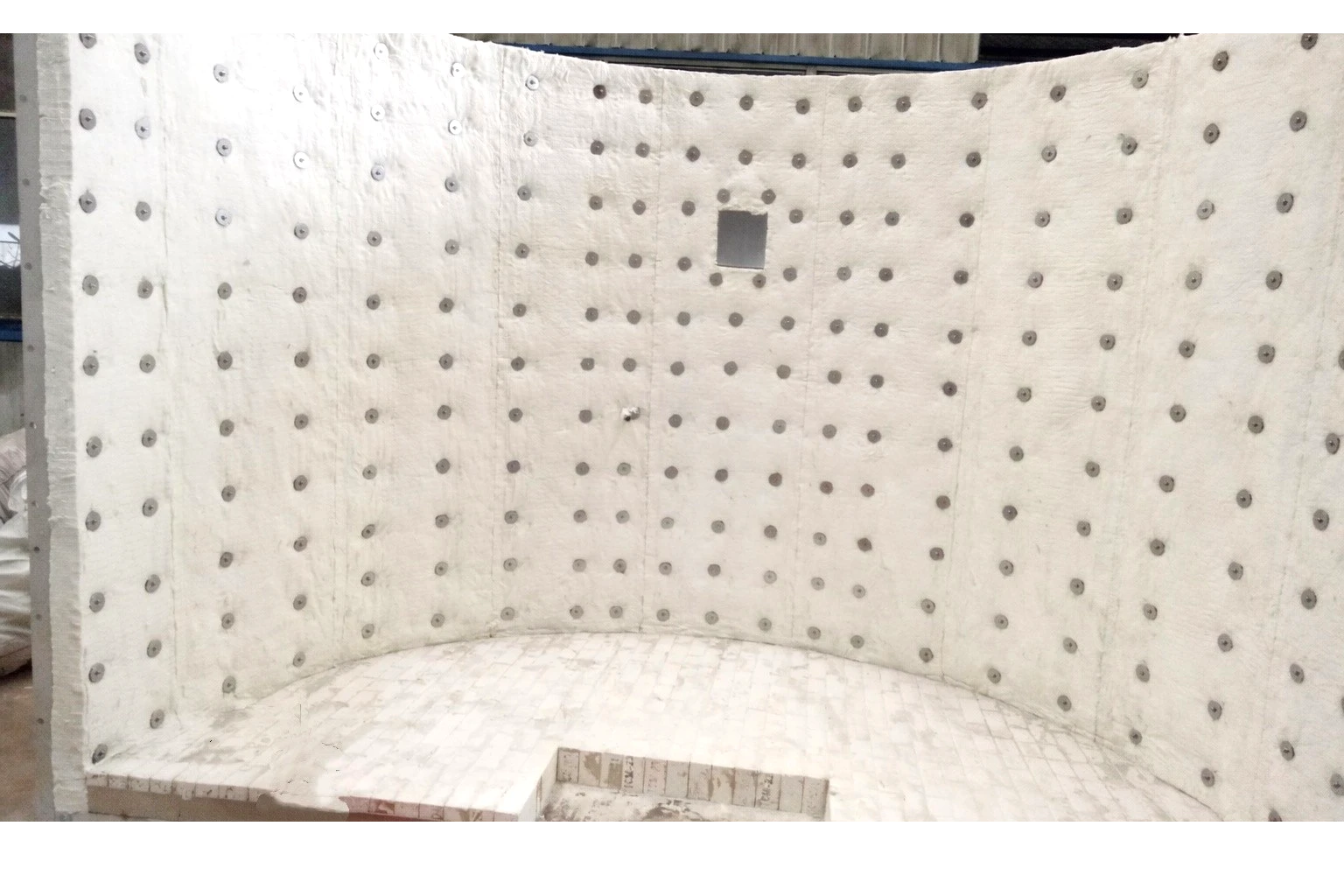
Brick lining has joints every 230mm. Each joint is a thermal bridge — heat escapes through mortar, gaps, and anchors. Fiber blanket is continuous: no joints, no bridges, no hidden heat loss. (Installation comparison)
$50K+ Foundation Savings
A 20-ton furnace lining can become 6 tons with fiber. That's 14 tons off the steel structure and foundation. For large furnaces, foundation cost savings alone can pay for the fiber upgrade. (Structural cost case)
Same Insulation, 70% Less Weight,
50% Faster Startup
Ceramic fiber doesn't just replace brick — it transforms your furnace architecture. Thinner walls, lighter structure, faster cycling. Here's how the math works.
When to Use Fiber vs. Brick
✓ Use Ceramic Fiber When
- Intermittent operation / frequent cycling
- Weight-sensitive structure or mobile furnace
- Backup or safety layer behind dense brick
- Expansion joints and door seals
- Non-abrasive, non-slag-contact zones
- Fast heat-up is critical for productivity
✓ Keep Using Brick When
- Continuous 24/7 high-temperature operation
- Direct slag or molten metal contact
- Abrasive material flow (clinker, aggregate)
- Load-bearing structural requirements
- Chemical attack from alkali or acid vapors
- Service life >10 years is mandatory
Not sure which architecture fits your furnace? Tell us your operating conditions and we'll recommend the optimal combination →
Not All Fiber Is Created Equal
Generic fiber suppliers often use blown process with high shot content — weaker fibers, more dust, shorter life. Vuulcan sources spun fiber from Zibo's heritage producers with controlled shot content.
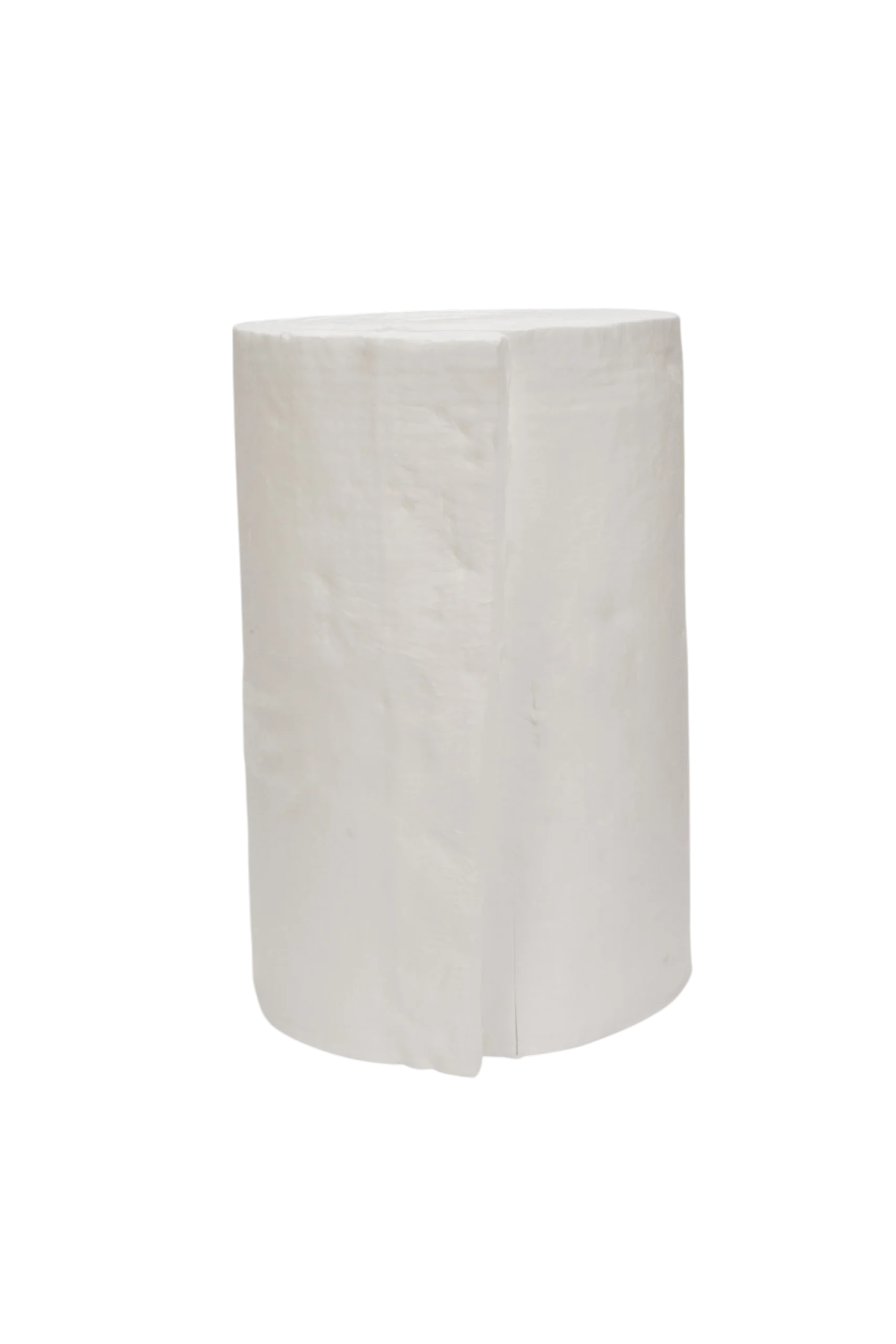
CFB Series — Ceramic Fiber Blanket
Four Temperature Grades for Different Service Conditions
Alumina-silicate ceramic fiber blanket with controlled shot content and density. Higher classification = higher alumina content = better refractoriness. Match the grade to your operating temperature, not your budget.
| Grade | Classification | Density | Thickness | λ* | Shot | Use |
|---|---|---|---|---|---|---|
| CFB-1260 | 1260°C | 96 kg/m³ | 25 / 50mm | 0.12 | ≤15% | General backup, low-temp |
| CFB-1260HP | 1260°C | 128 kg/m³ | 25 / 50mm | 0.10 | ≤12% | High-purity, clean env. |
| CFB-1400 | 1400°C | 128 kg/m³ | 25 / 50mm | 0.14 | ≤12% | High-temp backup layer |
| CFB-1430 | 1430°C | 128 kg/m³ | 25 / 50mm | 0.16 | ≤10% | Critical high-temp zones |
* λ = Thermal conductivity (W/m·K) at mean temp 400°C
Standard roll: 7200 × 610 × 25/50mm · Custom widths and lengths available
Compliance: ASTM C892 · GB/T 3003 · ISO 10635
AES (bio-soluble) grades available on request for EU/US safety compliance.
Request Technical Proposal Download Full Datasheet (PDF)vs. traditional IFB lining (25 kg/m² vs 320 kg/m²)
Zirconia-enhanced CFB-1430 grade
High-purity grades — less dust, better handling
Zibo cluster's share of world ceramic fiber output
Before the Brand
Came the Kiln Line.
Vuulcan Refractories was founded by a team that grew up inside Zibo's refractory manufacturing industry. We did not enter refractories from the market side — we entered the market from inside the industry. Our experience began on production lines, beside kilns, raw material systems, and quality control laboratories. Over 20 years of manufacturing experience shaped how we evaluate materials, select production partners, and specify fiber insulation systems for demanding thermal environments.
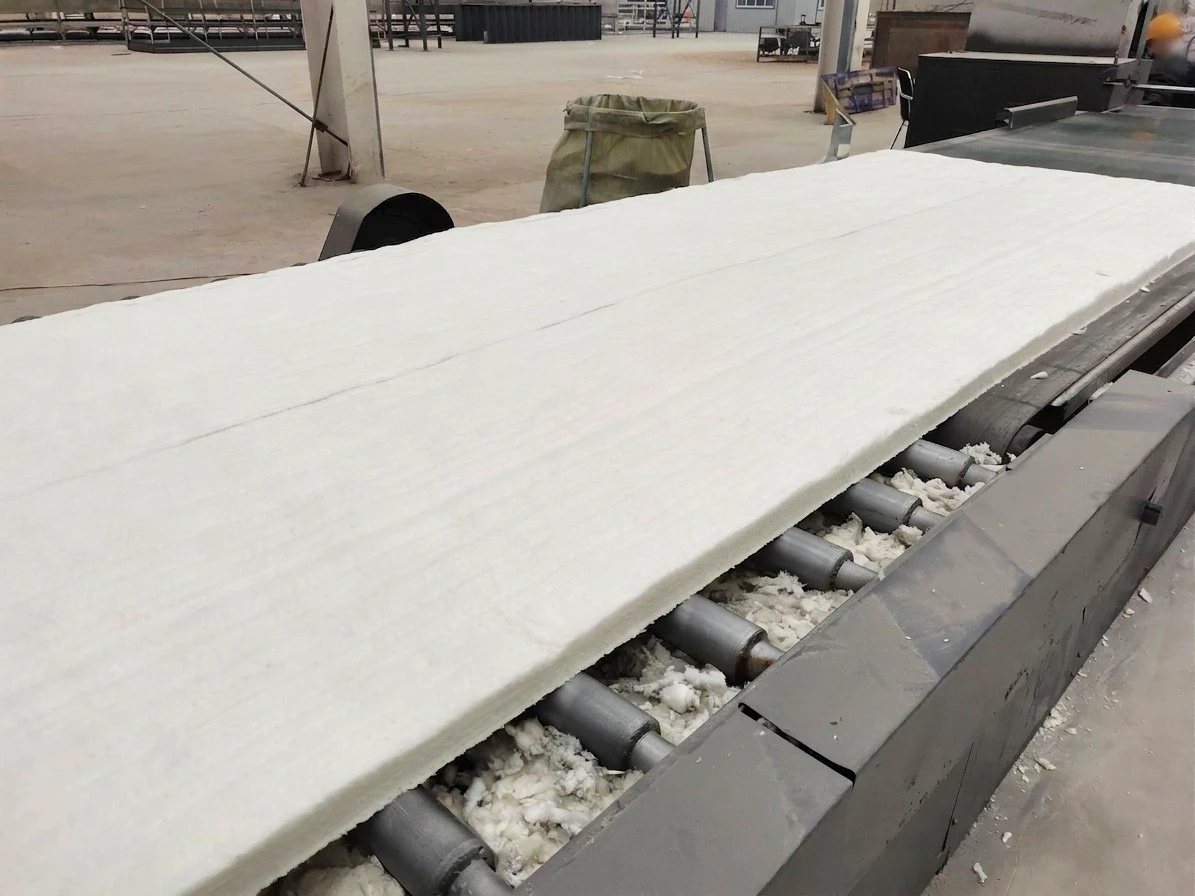
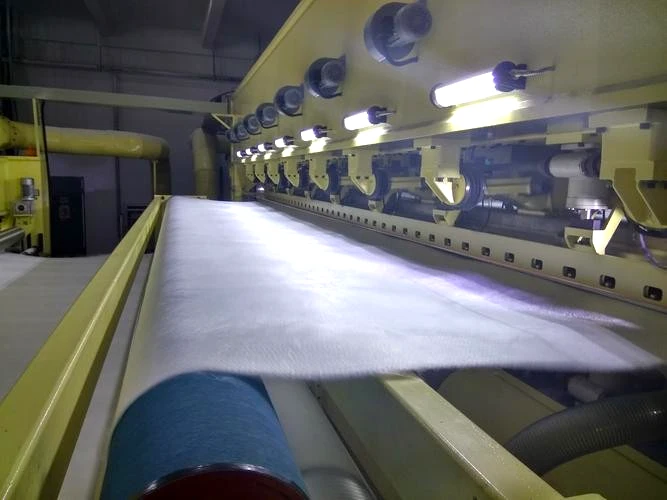
Ceramic fiber manufacturing is fundamentally different from brick production — fibers are formed by melting and spinning, not pressing and sintering. Zibo has been at the centre of China's ceramic fiber industry since the 1970s, when the region's first alumina-silicate fiber production lines were established. Today, Zibo is one of the world's most mature ceramic fiber manufacturing clusters — with deep capability across blanket, module, board, and shaped fiber products. Our sourcing draws on that cluster knowledge: understanding which producers control shot content, which achieve consistent density, and which can deliver reliable temperature classification across production batches.
Today, Vuulcan operates as a cluster-backed brand — matching each application to the right production partner within Zibo's qualified fiber manufacturing network. Vuulcan owns the engineering interface and quality oversight. The cluster provides the manufacturing depth.
Credentials That Follow Every Shipment
Every ceramic fiber order from Vuulcan includes batch-traceable documentation, density verification, and shot content testing — so your installation team knows exactly what they're working with.
From Inquiry to Delivered Fiber — 4 Steps
Inquiry & Scoping
Share your furnace type, operating temperature, and required coverage area. We respond within 6 hours with initial grade and quantity recommendations.
Technical Proposal
Our engineer recommends blanket grade, thickness, and product combination (blanket / module / board). Full proposal with FOB pricing.
Sample & Validation
Sample roll shipped for your verification. COA with density, shot content, and thermal conductivity included.
Production & Delivery
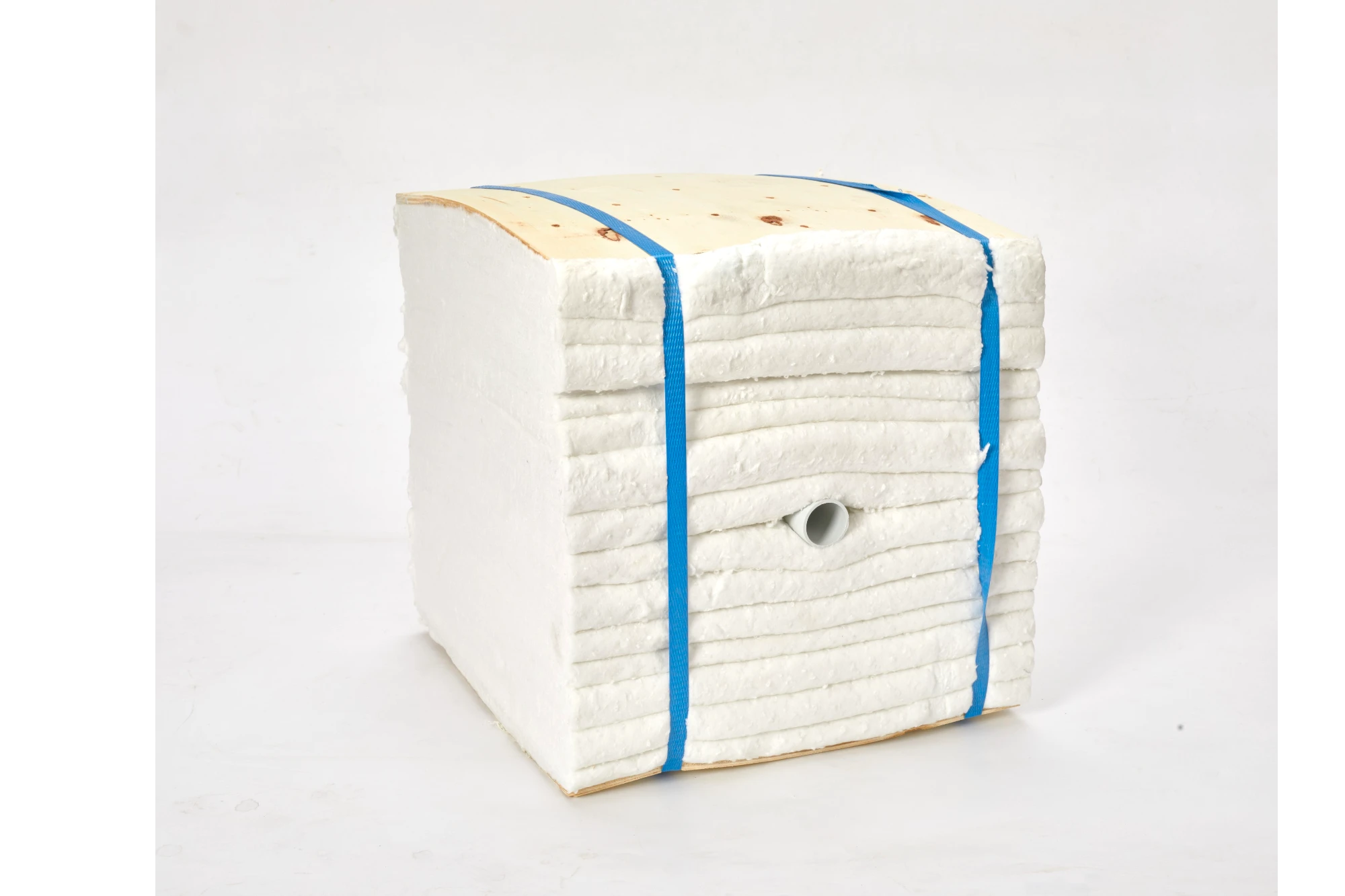
Cluster-direct production from Zibo with vacuum-compressed packaging (40% freight savings). Full containers shipped FOB Qingdao with batch COA.
Ceramic Fiber Works Best as Part of a System
Fiber blanket handles the insulation layer. But the hot face needs castable — and the backup needs insulating brick. Vuulcan engineers all three as one integrated solution.
Low Cement Castable
Zone-mapped LCC and ULCC for cement rotary kilns. Al₂O₃ 60–90%. The structural core of your kiln lining — engineered by zone.
View LCC SpecificationsInsulating Firebrick
JM-23 to JM-30 lightweight brick for the backup layer between castable and fiber. Cuts shell temperature by up to 40%.
View IFB SpecificationsTell Us About Your Application
Share your furnace details and we will respond within 6 hours with product recommendations, specifications, and FOB pricing.